Every condenser project eventually reaches the same question: admiralty brass or cupronickel? Both are specified to ASTM B111, both are supplied as seamless tube, and both will work in seawater. The difference shows up in cost per metre, service life and how forgiving the tube is when water chemistry drifts.
What each alloy is for
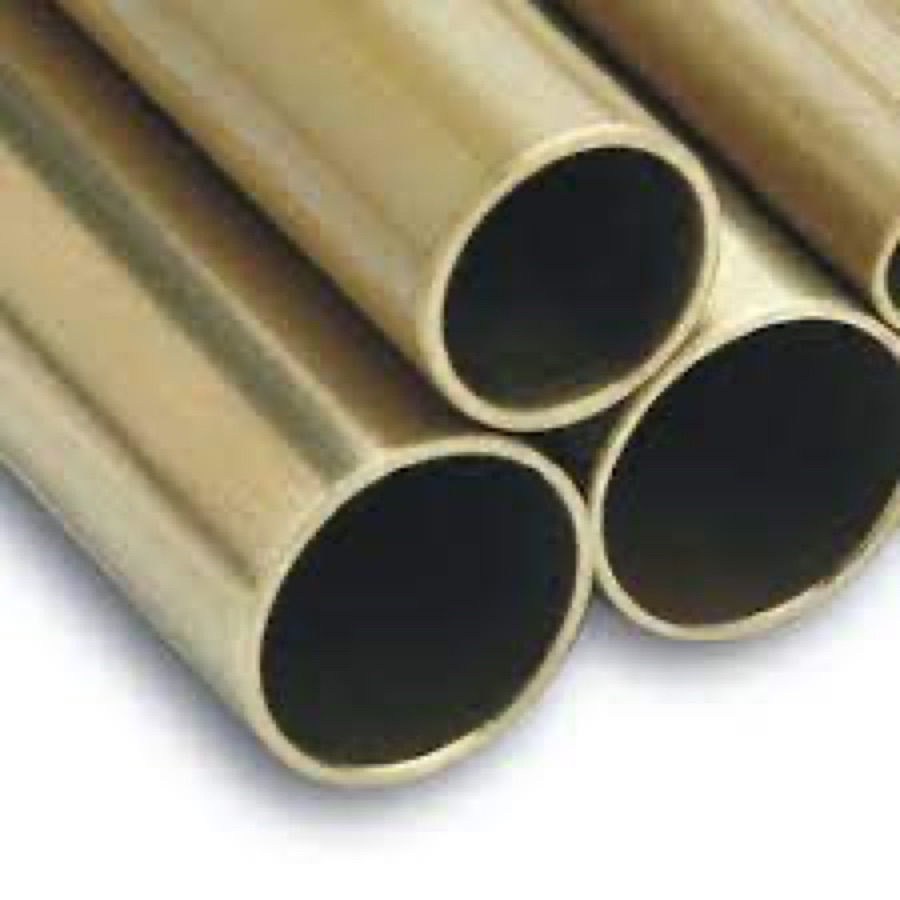
C44300 admiralty brass is a copper-zinc alloy with a small arsenic addition that inhibits dezincification. It is the standard choice for clean seawater condensers and heat exchangers, and it costs noticeably less than cupronickel.
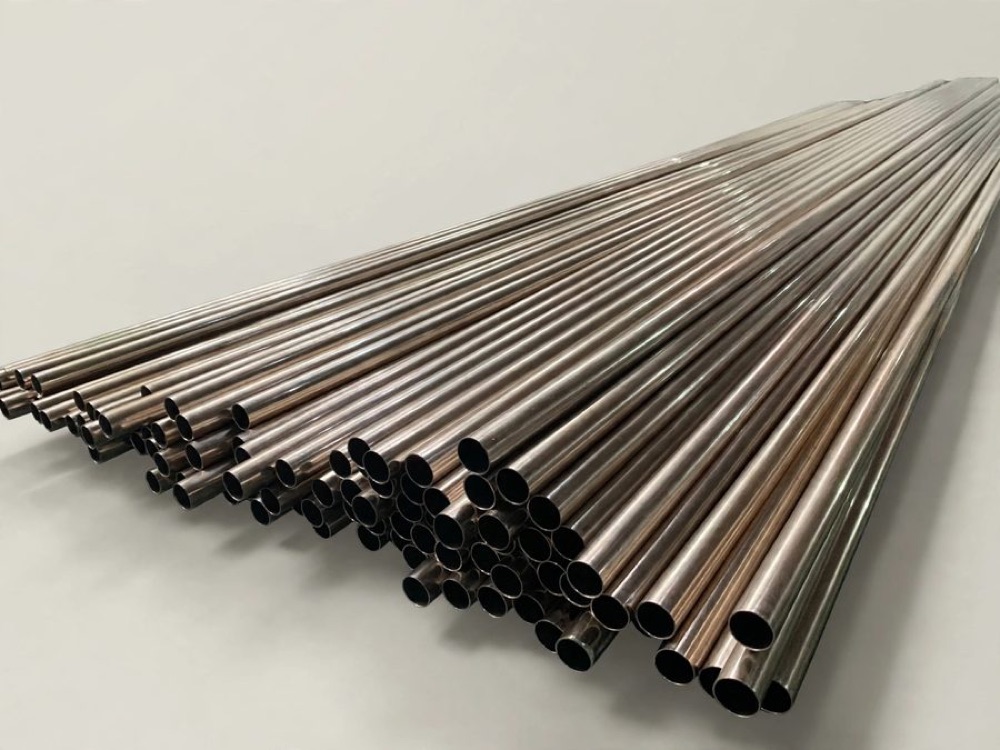
C70600 is a 90/10 copper-nickel alloy with iron and manganese additions. It resists erosion-corrosion, biofouling and ammonia attack, and it keeps its strength at higher water velocities.
The practical comparison
| Duty | C44300 admiralty brass | C70600 cupronickel 90/10 |
|---|---|---|
| Clean seawater, moderate velocity | Good, lowest cost | Over-specified for most cases |
| Polluted or brackish water | Risk of dezincification | Preferred |
| Velocity above 2 m/s | Erosion-corrosion risk | Suitable |
| Ammonia in the steam side | Stress corrosion risk | Resistant |
| Design life beyond 20 years | Possible with good water treatment | Normal expectation |
When admiralty brass is the right answer
Choose C44300 when the water is clean, velocity stays inside the design range, and the project is cost-sensitive. Onshore cooling systems with stable water treatment are the classic case. Specify arsenic-inhibited material to ASTM B111, and insist on an ammonia test to ASTM B858 if the steam side may carry ammonia.
When to move to cupronickel
Move to C70600 when any of these apply: the water is polluted or unpredictable, velocity is high, the tube is thin-walled, or the design life is measured in decades. Offshore and marine projects usually default to cupronickel for exactly this reason. C71500 (70/30) is the next step up for the most aggressive duties.
Documents that should travel with the tube
- EN 10204 3.1 mill test certificate with heat numbers
- Eddy current test report to ASTM E243
- Hydrostatic or pneumatic test record
- Ammonia test result to ASTM B858 for brass
- PMI report if the project requires alloy verification
A note on U-bends
Both alloys are supplied U-bent to drawing. For brass, stress-relieved anneal after bending matters more than for cupronickel; residual stress is what drives season cracking in service. Ask for the stress relief record, not just the bend dimensions.
If you are comparing the two for a specific project, send the water analysis, velocity and design life. We will tell you which alloy we would specify, and quote both so the cost difference is visible.